
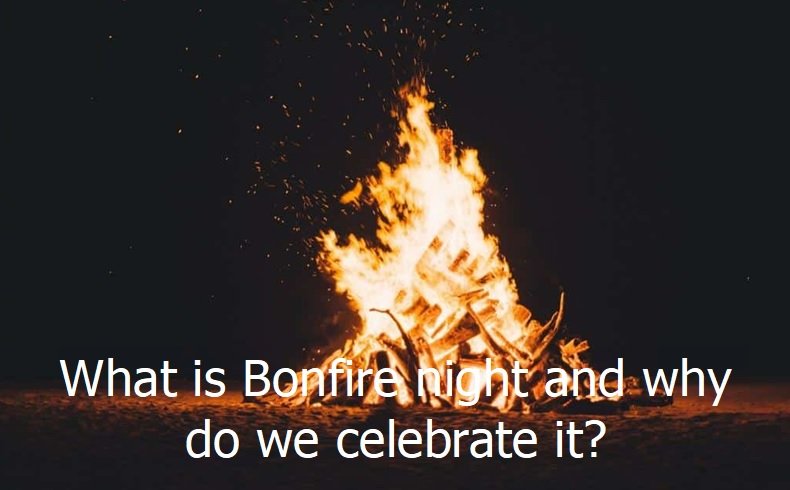
Autumn is in full effect. The leaves are falling, the nights are getting colder and there are plenty of seasonal celebrations to look forward to.
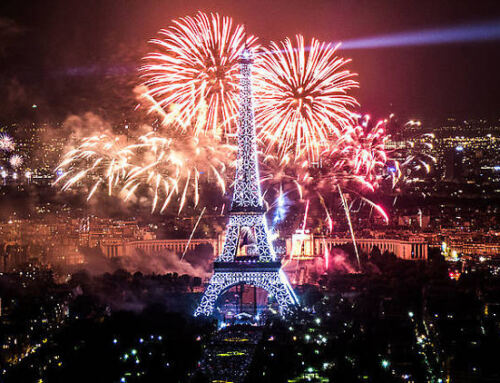
For many people, Bonfire Night – with its sensational firework displays, toffee apples and community bonfires – is right at the top of the list.
But what day does Bonfire Night fall on this year and why do we celebrate it?
Due to the ongoing coronavirus pandemic, people will have to celebrate a little differently this year.
Many councils have cancelled their usual organised fires and displays due to restrictions on events and social distancing rules.
So for those opting to light fireworks at home, what are the best ways to keep you and your family safe this year?
We’ve answered some of your biggest questions on Bonfire Night past and present – here’s all you need to know for 2020.
So why do we celebrate it?
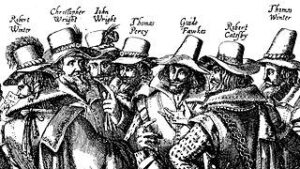
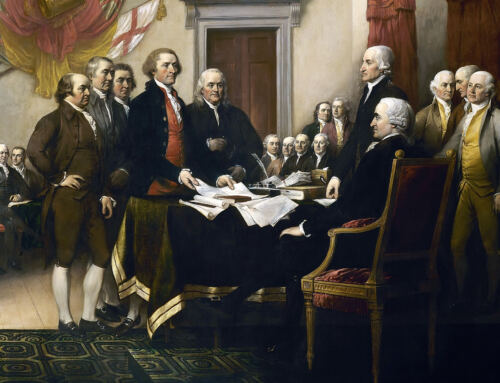
Bonfire Night celebrates the failed assassination attempt on King James I by Guy Fawkes and a group of Catholic conspirators.
They tried to overthrow the Protestant monarchy and spent months plotting to blow up the King during the opening of Parliament on November 5, 1605.
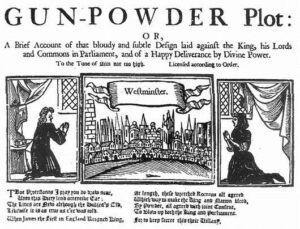
This plot – known as the Gunpowder Plot – On the face of it, the Gunpowder Plot was an attempt by a group of Catholics to blow up the king and the Houses of Parliament, this being the place where all of the country’s laws are made. In October 1605, one of the plotters gave the game away whilst trying to warn a relative, who was an MP. On 4 November Guy Fawkes was caught red-handed with the gunpowder just before the king was due to open Parliament.
The problem is that we only have the government’s side of the story. Many of the plotters were killed immediately, and the rest of our information was gathered by torture.
Many modern historians agree that the plot – to some degree – was set up by the government. When he came to the throne, James wanted to be tolerant in matters of religion. After the plot, James and the government became fiercely anti-Catholic.
After the plot was revealed, bonfires were lit to celebrate the safety of the King and the failure of the plan.
Since that night, November 5 has been known as ‘Bonfire Night’ and is celebrated every year bonfires, fireworks and by burning Guy Fawkes puppets.
Are firework displays still going ahead this year?
Last month, the Manchester Evening News reported that official Bonfire Night displays will be axed this year due to the ongoing coronavirus pandemic.
The council has stated that all events are subject to Covid-19 regulations and restrictions, and could be affected if local or national guidelines change.
Coun Luthfur Rahman, the council’s executive member for culture and leisure, said: “We do not take these decisions lightly and we have been working with events organisers throughout the year to either postpone or take online where possible.
“Public safety must be at the front and centre of everything we do – and where events can go ahead, they will do so in line with Covid guidelines designed to keep visitors as safe.”
With the main events cancelled this year, many families will be setting off fireworks at home – so it’s important to remember to stay safe.
Here’s some top safety advice from RoSPA (The Royal Society for the Prevention of Accidents):
- Plan your firework display to make it safe and enjoyable, and check the time you can legally set off fireworks
- Only buy fireworks which carry the CE mark, keep them in a closed box and use them one at a time
- Read and follow the instructions on each firework using a torch if necessary
- Light the firework at arm’s length with a taper and stand well back
- Keep naked flames, including cigarettes, away from fireworks
- Never return to a firework once it has been lit
- Don’t put fireworks in pockets and never throw them
- Direct any rocket fireworks well away from spectators
- Never use paraffin or petrol on a bonfire
- Make sure that the fire is out and surroundings are made safe before leaving.

Leave A Comment