
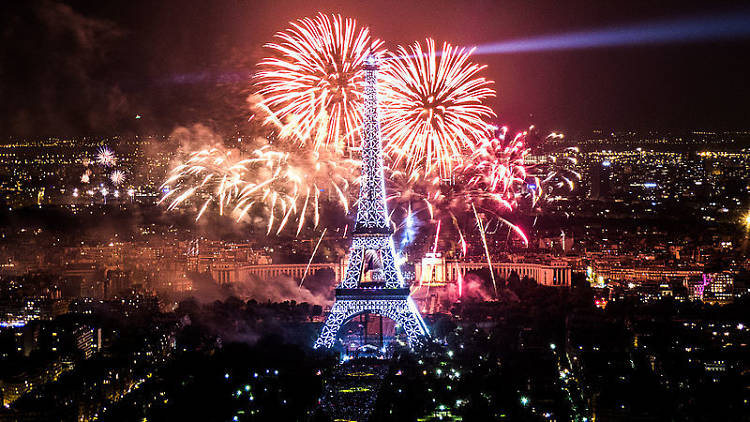
‘Joyeux hour de la bastille’ to all our french readers.
But for those of us who don’t know.
Bastille Day, also known as French National Day or La Fête nationale, is an important national holiday celebrated in France on July 14th each year. This commemorative day holds significant historical and cultural importance for the French people, symbolising the spirit of revolution, national unity, and the ideals of liberty, equality, and fraternity.
The origins of Bastille Day can be traced back to a specific event in French history—the Storming of the Bastille, which took place on July 14th, 1789. At that time, France was undergoing a period of immense political and social unrest, known as the French Revolution. The Bastille was a medieval fortress and prison in Paris, seen as a symbol of the monarchy’s authority and oppression.
The revolutionary fervor that had been building in France led a group of revolutionaries to attack the Bastille, seeking to obtain weapons and free political prisoners. The storming of the Bastille marked a turning point in the French Revolution, as it symbolised the rejection of absolute monarchy and the beginning of a struggle for a more democratic and egalitarian society.
The fall of the Bastille not only had a significant political impact but also ignited a wave of enthusiasm and solidarity among the French people. It became a powerful symbol of resistance against tyranny and inspired a sense of unity and national identity. The event demonstrated the power of popular uprising and paved the way for further revolutionary changes in France.
In the aftermath of the Storming of the Bastille, July 14th was officially recognised as a national holiday in France in 1790. Initially, it was called “Fête de la Fédération” (Festival of the Federation), marking the first anniversary of the storming and emphasizing national unity and reconciliation. The festival aimed to unite the French people across different regions and social classes, emphasizing their shared values and aspirations.
Over time, the name of the holiday evolved to “Fête nationale” (National Holiday) and eventually became widely known as Bastille Day. The holiday continued to evolve and adapt to the changing political landscape of France. During various periods in French history, the celebration of Bastille Day was influenced by different political ideologies and regimes.
One of the most iconic traditions associated with Bastille Day is the military parade held on the Champs-Élysées in Paris. The parade showcases the strength and unity of the French armed forces, with troops from different branches and regiments marching in uniform. The President of France, along with international guests, reviews the troops, and impressive aerial displays are also part of the spectacle.
The military parade is followed by a series of public festivities and celebrations throughout France. Cities and towns organize parades, concerts, fireworks displays, and various cultural events to honor the spirit of Bastille Day. It is a day when French people come together to celebrate their history, heritage, and values.
Fireworks are a central feature of Bastille Day celebrations, with spectacular displays illuminating the night skies across France. The most famous display takes place in Paris, where the Eiffel Tower becomes the backdrop for a dazzling show of lights and pyrotechnics, drawing locals and tourists alike.
In addition to the official events, many French people use Bastille Day as an opportunity to gather with friends and family for picnics, parties, and outdoor activities. The day often involves the consumption of traditional French food and drinks, such as wine, cheese, baguettes, and pastries. Festivities extend into the evening, with people dancing, singing, and enjoying the lively atmosphere.
Bastille Day is not only celebrated within the borders of France but also by French communities around the world. French expatriates and descendants of French immigrants organize events and festivities that reflect their French heritage and the values associated with Bastille Day. This international celebration reinforces the global influence of French culture and highlights the enduring significance of the French Revolution.
Beyond the celebrations, Bastille Day holds a deeper meaning for the French people. It serves as a reminder of the struggles and sacrifices made by previous generations to secure freedom, democracy, and human rights. It is a day to reflect on the principles that underpin the French republic and to renew the commitment to uphold those ideals in the face of ongoing challenges.
Bastille Day represents more than just a historical event. It embodies the enduring spirit of the French people—a spirit of resilience, determination, and solidarity. It reminds us that the pursuit of liberty, equality, and fraternity is a continuous journey, requiring active engagement and vigilance.
In conclusion, Bastille Day is a momentous occasion in France, celebrated annually on July 14th. It commemorates the Storming of the Bastille, which marked a turning point in the French Revolution and symbolized the fight for freedom and social justice. The holiday brings together the French people to celebrate their history, honor their values, and reinforce the sense of national unity. Bastille Day is a vibrant and joyous occasion, filled with parades, fireworks, cultural events, and gatherings. It serves as a reminder of the enduring legacy of the French Revolution and the ongoing pursuit of liberty, equality, and fraternity.


Leave A Comment