
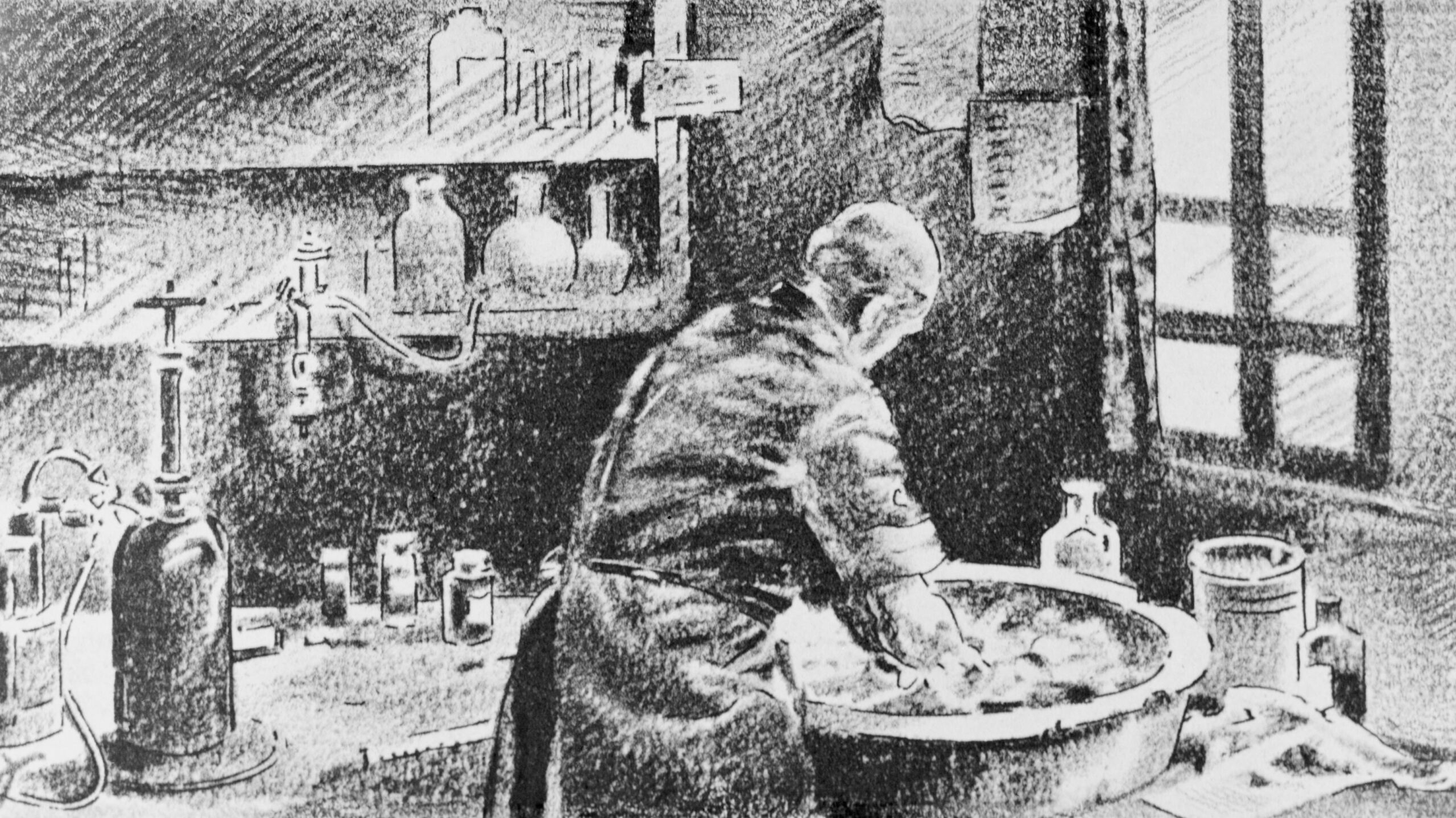
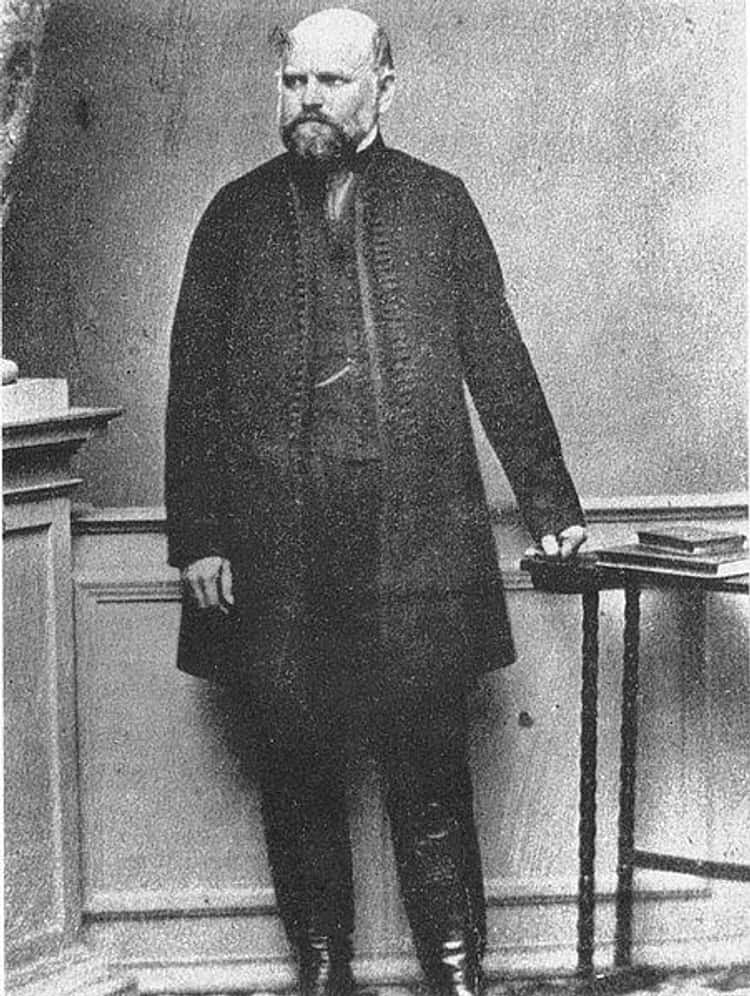
Ignaz Semmelweis was a German – Hungarian physician who worked at a Vienna obstetric clinic in the 1840s. At the time, mortality rates for women delivering in hospitals ranged from 25% to 30%. Semmelweis set out to solve the “childbirth fever” problem and discovered that infection rates were much higher in patients treated by clinical students who came directly from the mortuary dissecting room.
Semmelweis ordered everyone to wash their hands in a chlorinated lime solution before each examination, which lowered the mortality rate of those students’ patients from 18.27% to 1.27%. Even though the students and doctors he supervised appreciated his discovery, his superiors did not. He was eventually dropped from his post and could not even secure a teaching job. He gave lectures and wrote about his findings, but the general consensus remained hostile.
He published a book of his findings in Etiology, Concept and Prophylaxis of Childbed Fever.
Despite various publications of results where hand-washing reduced mortality to below 1%, Semmelweis’s observations conflicted with the established scientific and medical opinions of the time and his ideas were rejected by the medical community. He could offer no acceptable scientific explanation for his findings, and some doctors were offended at the suggestion that they should wash their hands and mocked him for it.
In 1865, the increasingly outspoken Semmelweis supposedly suffered a nervous breakdown and was committed to an asylum by his colleagues. In the asylum, he was beaten by the guards. He died 14 days later from a gangrenous wound on his right hand that may have been caused by the beating. Semmelweis’s practice earned widespread acceptance only years after his death when Louis Pasteur confirmed the germ theory, and Joseph Lister, acting on the French microbiologist’s research, practised and operated using hygienic methods, with great success.








Leave A Comment