Whale vomit, also known as ambergris, is considered valuable for several reasons:

The Fragrance Industry: Ambergris has a unique and pleasant scent that is often described as earthy, musky, and sweet. It has been used for centuries as a fixative in perfumes and fragrances. When added to perfumes, it helps to prolong their scent, enhance their fragrance, and stabilize the other ingredients. Due to its scarcity and desirable aromatic properties, ambergris is highly sought after by luxury fragrance companies.
Rarity: Ambergris is a rare substance. It is produced by a small percentage of sperm whales, estimated to be around 1% of the population. The whales produce ambergris in their digestive system to protect their intestines from the sharp beaks of squids, which are one of their primary food sources. The rarity of ambergris makes it a valuable commodity.
Chemical Properties: Ambergris is composed of a complex mixture of fatty acids, proteins, and other organic compounds. Over time, it undergoes a chemical transformation, which enhances its scent and quality. This aging process can take years, and the longer the ambergris ages, the more valuable it becomes. The unique chemical composition of ambergris contributes to its desirability in the fragrance industry.
Legal Restrictions: The trade of ambergris is regulated in many countries. Some countries consider it illegal to trade or possess ambergris, while others have restrictions or require permits. These legal restrictions, along with the limited supply and high demand, drive up the value of ambergris in the market.

It’s worth noting that the use of ambergris in the fragrance industry is a controversial topic, as it is derived from sperm whales, which are an endangered species.

However, many perfume manufacturers now use synthetic alternatives or focus on sustainable and ethical sourcing practices to reduce their impact on whale populations.

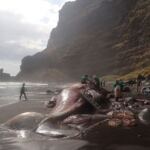
Recently a chunk of ambergris found inside a dead sperm whale on a beach in the Canary Islands has been valued at nearly £400,000.

The 43-foot long, 20-tonne cetacean was found on Nogales Beach in La Palma, Spain.

Inside it, scientists found a 21lb chunk of ambergris, which has now been estimated at £394,000.
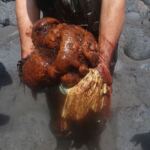
Forensic studies on the animal revealed last month that its death was caused by the chunk of ambergris obstructing its intestine.

The obstruction led to it suffering from diphtheroid colitis, which caused bacteria from the intestine to enter the blood, resulting in bleeding in many organs.