
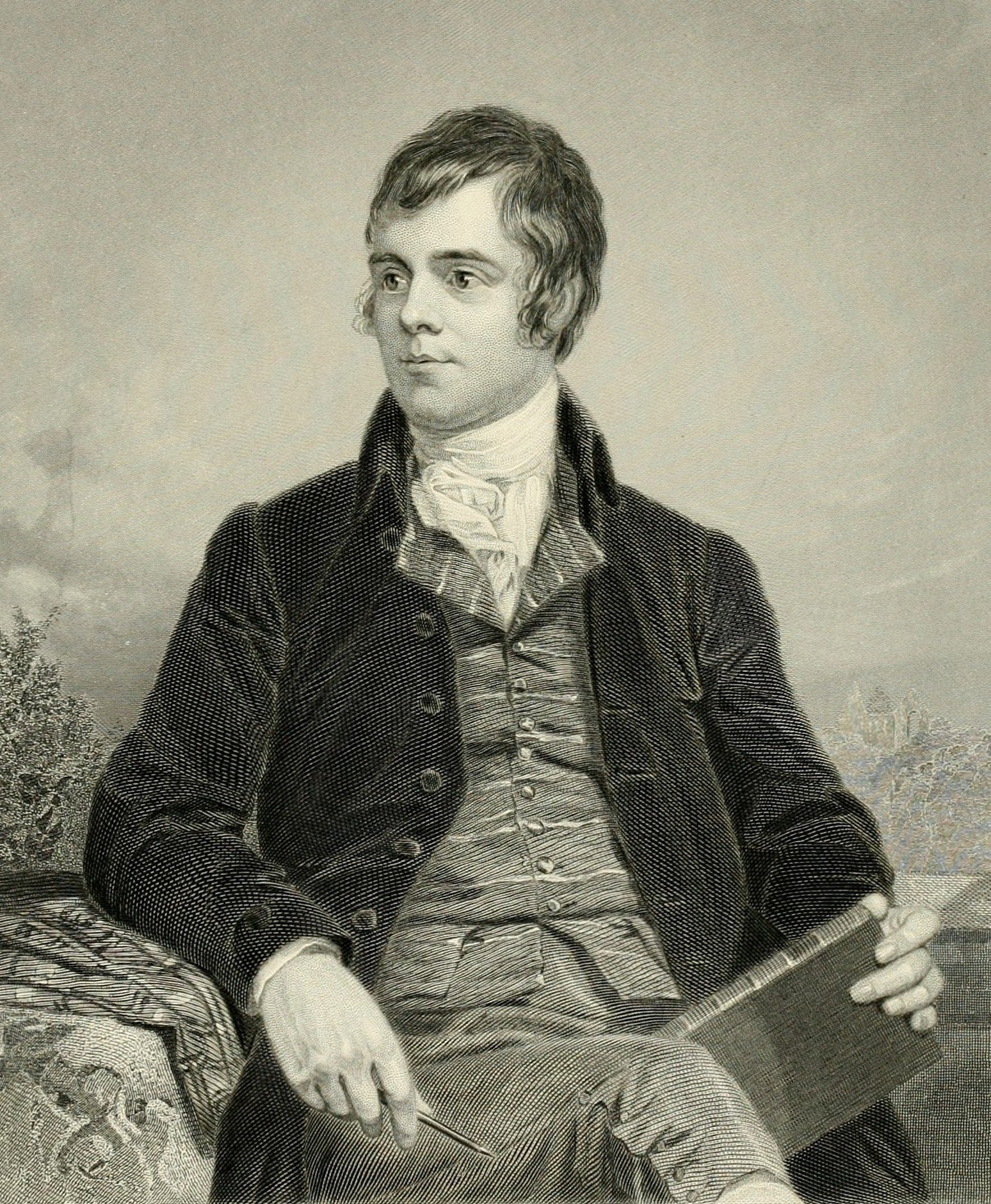
Every year on the 25th of January, Scots and non-Scots the world over will don their tartan, put their haggis in the oven and get ready to celebrate Burns Night. It’s a great tradition, made all the more so by all the quintessentially Scottish things people do for it — the cutting of the haggis, the bagpiper and, of course, the drinking of the whisky. But why do we celebrate Burns Night? It’s not a religious holiday like Christmas, and it’s only really become popular in the rest of the UK in the last decade or so.
Burns Night celebrates the life of poet Robert Burns, who was born in Alloway, Scotland on January 25, 1759. The day also celebrates Mr Burns’ contribution to Scottish culture.
The poet’s most famous work includes “Auld Lang Syne” which is sung by people on New Year’s Eve around the world.
He died on July 21, 1796, aged just 37, leaving 12 children behind. His friends held the first Burns supper on July 21, the anniversary of his death, in Ayrshire, Scotland, in the late 1700. But the celebration was later changed to January 25 to mark his birthday.
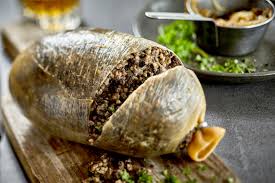
Traditionally Scots celebrate the day with a Burns supper, which consists of traditional Scottish soup, haggis with neeps and tatties.
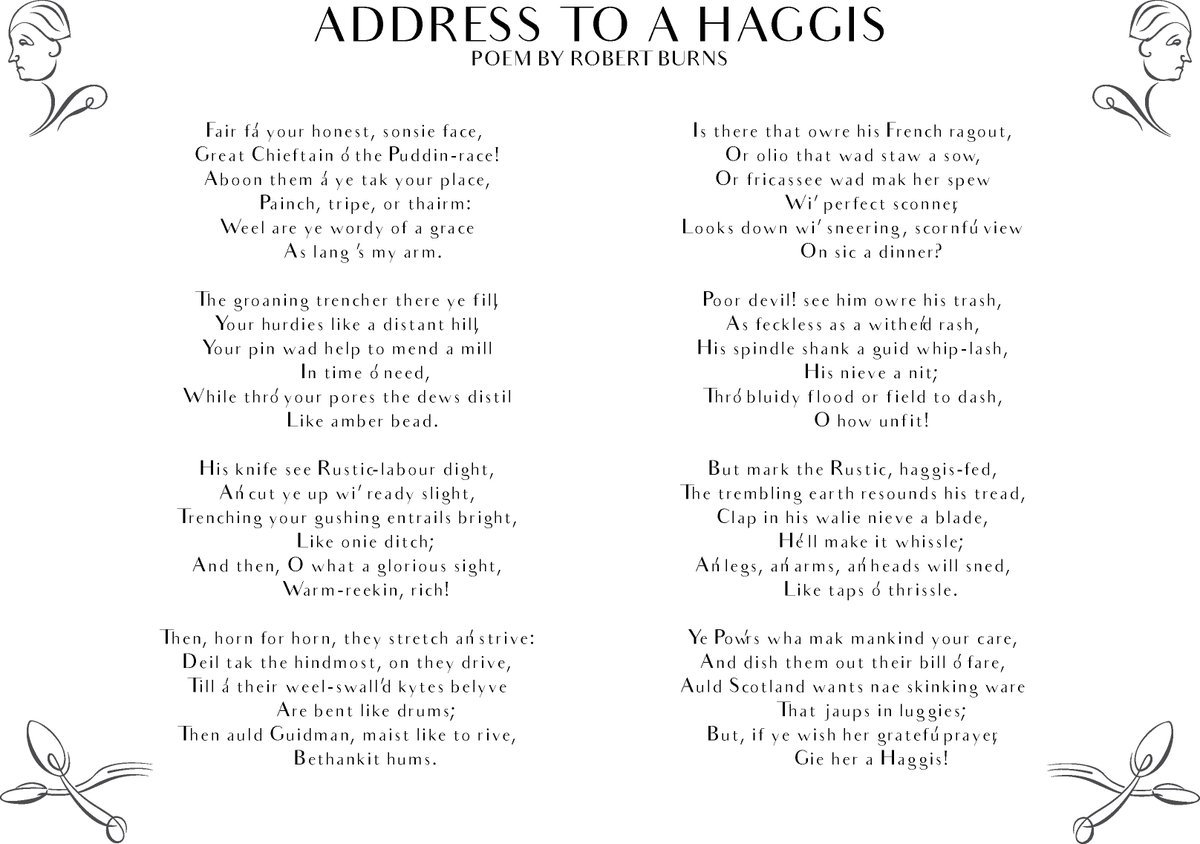
The formal celebration often includes toasts and readings of Robert Burns’ work. As the haggis is served, the poem “Address to a Haggis” is read. Personally I have a small book of Burns poetry and traditionally have my Haggis, addressing it with the poem whilst cooking it. This is my personal tradition in memory of my Father and Scottish family in Bonnybridge and from Wigtown. ( I also own land in Glencoe, so I am actually a Laird!)
Robert Burns wrote the ode to celebrate the Scottish dish, which is made out of a sheep’s pluck (heart, liver, and lungs) minced with onion, oatmeal and different spices.
After the reading is completed, the haggis is ceremonially sliced into two pieces and the meal begins.
There is not an official Burns Night greeting but people often say “Sláinte Mhath!” which translates to “Good Health!” and is pronounced “slanj’-uh va’”.
But if you want to say “Happy Burns Night” in Scottish Gaelic, then you can choose to say “Oidhche Bhlas Burns”.
This is not usually observed by people but might be a nice gesture appreciated by anyone you greet.
Learn How to address a Haggis –
To keep up to date with all our news, you can get our free Android app by clicking here.
Alternatively our iOS app is available free from the appstore here

Leave A Comment