

Chester, a city steeped in history and archaeology! Let’s take a fascinating journey through the archaeology of this ancient city.

Roman Roots: Chester, or Deva as it was known in Roman times, was a crucial military outpost of the Roman Empire. The Romans built their fortress here around AD 70, and its remains have been an exciting archaeological site. The well-preserved Roman walls encircle the city and provide a glimpse into the military prowess and engineering skills of the ancient Romans.

Amphitheatre Unearthed: Chester boasts one of the best-preserved Roman amphitheatres in Britain. Discovered in the late 1920s, this impressive archaeological find provides insight into Roman citizens’ entertainment and social life. One can almost hear the cheers and roars of the spectators as gladiators and wild animals battled it out in the arena.
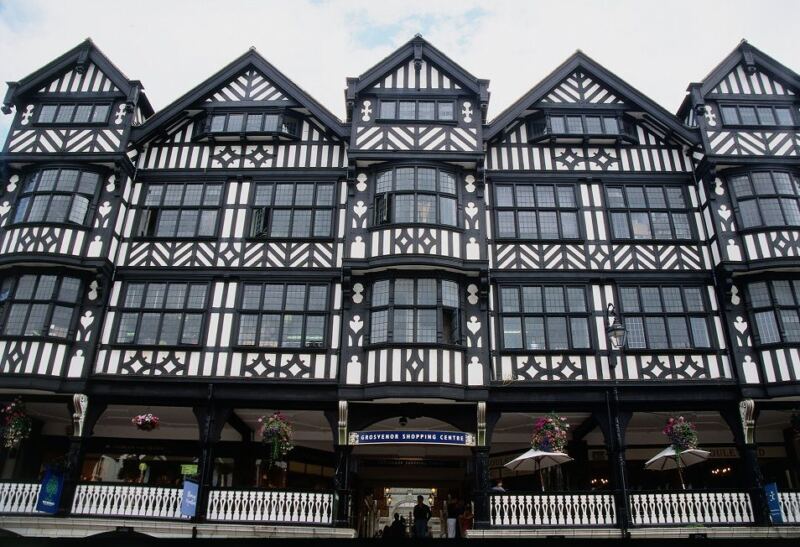
Medieval Marvels: Chester’s medieval history is equally intriguing. The city’s charming black-and-white timber-framed buildings, such as those found on Watergate Street and Bridge Street, are remnants of its medieval past. Archaeological excavations in the city centre have also revealed medieval structures and artifacts, giving us a glimpse of life in medieval Chester.

The Chester Rows: One of Chester’s most unique features is its medieval two-tiered shopping galleries known as “The Rows.” These covered walkways, lined with shops and restaurants, date back to the 13th century. They offer a fascinating glimpse into the medieval urban planning and social dynamics of the time.
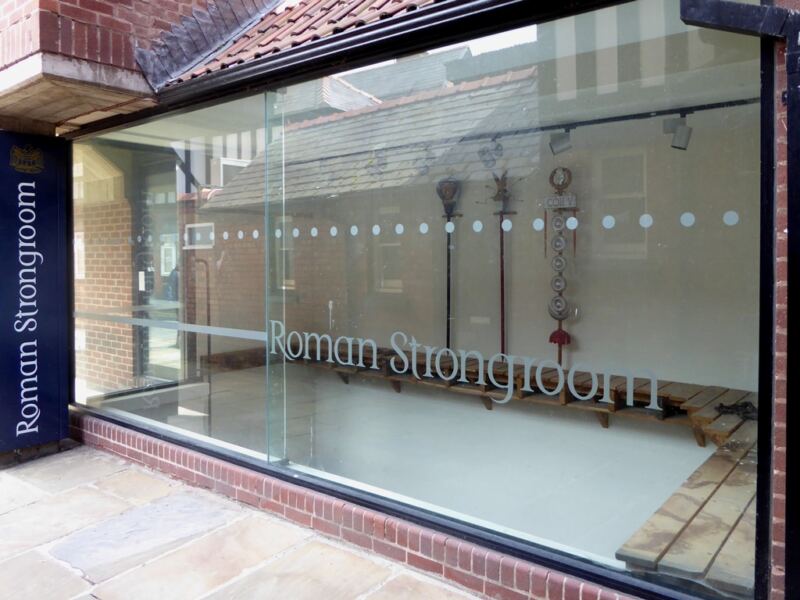
Secrets Beneath the Streets: Beneath Chester’s bustling streets lie hidden layers of history. Archaeologists have unearthed evidence of an even older settlement beneath the Roman fortress, suggesting that the area was inhabited long before the Romans arrived. These layers of history provide a treasure trove for archaeologists eager to uncover the city’s earliest secrets.

Medieval Walls and Gates: Chester’s Roman walls were strengthened and expanded during the medieval period. The medieval gates, such as the famous Eastgate Clock, symbolise the city’s heritage. Archaeological investigations around these gates have provided valuable insights into the city’s defensive structures and urban development over time.
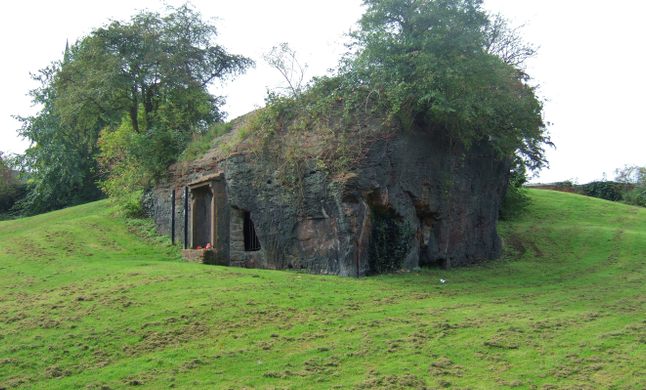
The Mystery of the Amphitheater Minerva Shrine: One of the most intriguing finds from the Roman amphitheatre site is a shrine dedicated to the goddess Minerva. This mysterious discovery adds an air of mystique to the already captivating Roman ruins and leaves archaeologists and historians pondering its significance.
Victorian Excavations: The Victorian era saw significant archaeological interest in Chester. The Grosvenor Museum, which houses many archaeological finds from the city, was founded in the 19th century as a testament to this enthusiasm for uncovering Chester’s past.
Ongoing Discoveries: Archaeology in Chester is an ongoing endeavour, with new discoveries being made regularly. From small finds during construction projects to large-scale excavations, each new revelation adds another layer to the rich tapestry of Chester’s history.
Chester’s archaeology is a testament to the city’s enduring legacy and its willingness to embrace its past. As the city continues to grow and evolve, its ancient secrets remain ever-present, inviting both historians and visitors to delve deeper into its fascinating history. So, if you find yourself in Chester, take a moment to appreciate the treasure trove of history that lies beneath your feet!






Leave A Comment