
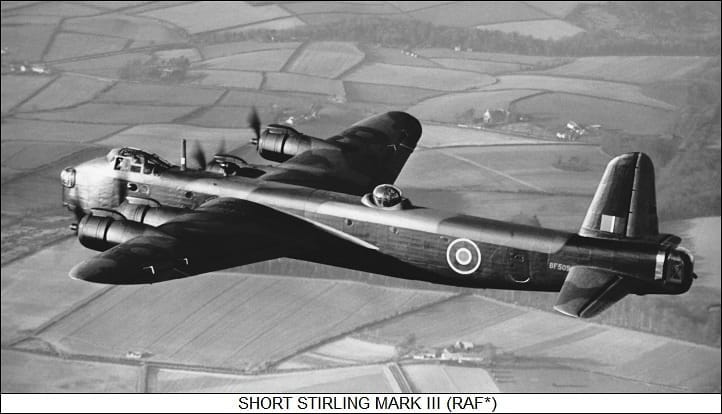
The human remains of a World War II airman, shot down in Germany 79 years ago, have been discovered at the wreckage site of a British Short Stirling heavy bomber.
DNA testing has confirmed the remains, found buried amongst parts of the British World War II bomber plane that went down in 1942, were of sergeant Henry Pullar who was a rear gunner in the plane.
His niece Pam Compton said she and her family received written confirmation of the test results from Hamburg-Eppendorf University Hospital biologist Oliver Krebs in late December, 2020.
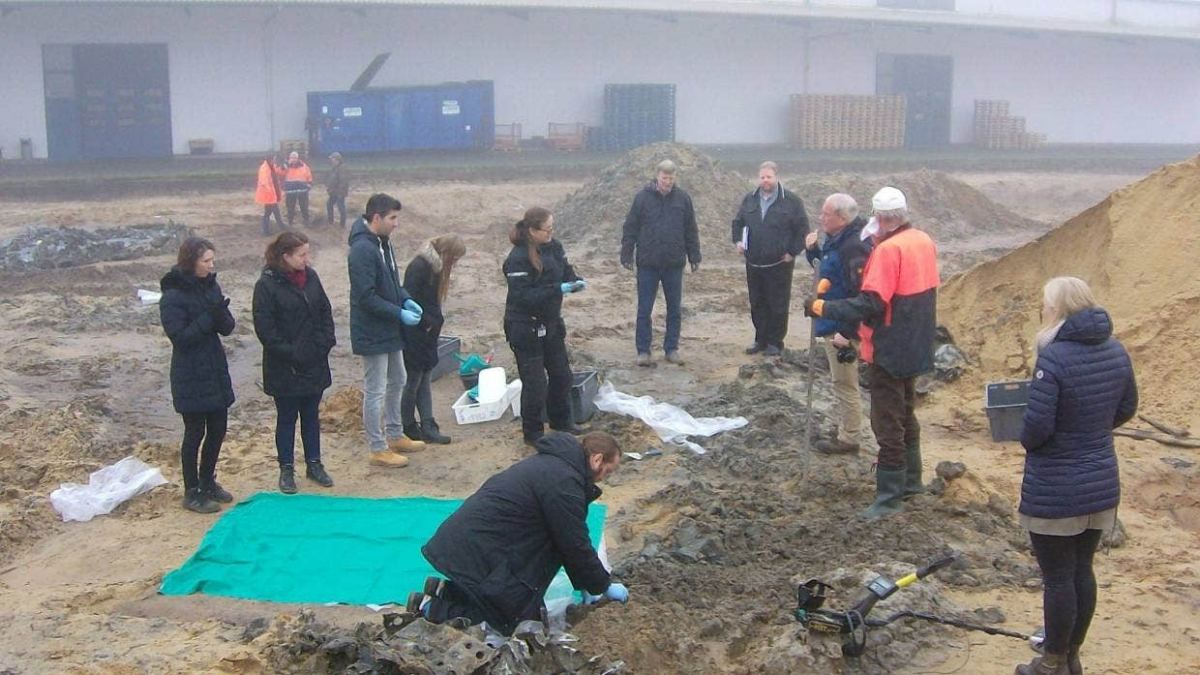
Discovery of the human remains and parts of the plane’s tail section, buried more than five metres deep, were made in 2019, while redevelopment work was being done at Vechta Airport in Germany. Research by Compton showed the plane crashed tail first into the ground.
News of human remains being found reached Compton in September 2019, after a German aviation archaeology working group member, Jens-Michael Brandes, posted a message on an ancestry site looking for relatives of Errol Skeggs – Compton’s father.
The group was called to the redevelopment site when aircraft parts started appearing during earth moving work.
On the third day of examining the area clothing and human remains were found. A senior archaeologist at the Lower Saxony state office for preservation of cultural heritage became involved in the findings, along with anthropologists of the forensic department of the University Medical Centre in Hamburg-Eppendorf.
“As more remains were found the forensic scientists from UKE Hamburg came to the site and removed them,” Compton said.
The bones were transferred to Hamburg-Eppendorf University Hospital, where biologist Oliver Krebs subsequently removed DNA from them.
The bones are still at the university’s forensic science department and will be kept there until the Commonwealth War Graves Commission is allowed, under Covid-19 regulations, to take them to Rheinberg War Cemetery in Germany. The bones will be placed in the communal grave which has the remains of five of the six other airmen on the plane. The pilot has his own grave there.
Identifying the plane and its crew was done from the personal details found on the pilot’s body which was thrown from the plane just before the crash, Compton said.
The crew was initially buried in a Protestant cemetery in Vechta before being moved to the Rheinberg War Cemetery. They each have a headstone at Rheinberg.
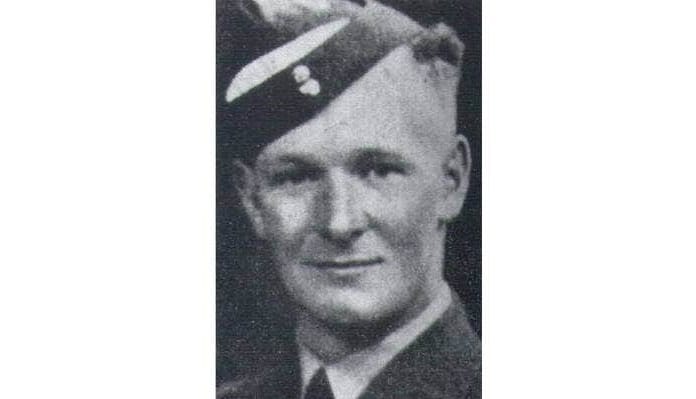
Pullar worked on his family’s farm before enlisting in the Royal New Zealand Airforce in March, 1941, at the age of 23. He started his training at Levin and then went to Canada to join the Empire Air Training Scheme.
He was a member of the 75 NZ Squadron RAF and after more training in the UK, was posted to Newmarket in Suffolk.



Leave A Comment