
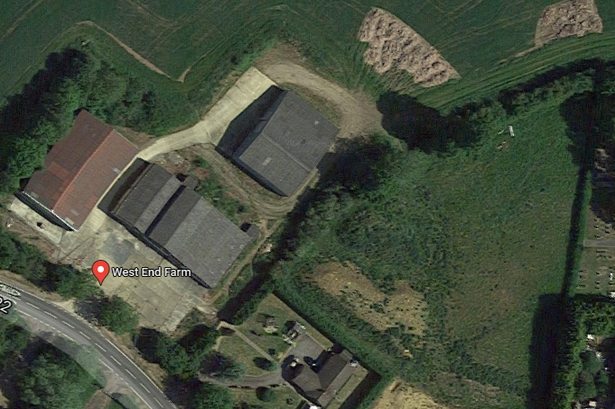
Archaeologists working in Buckingham, Buckinghamshire, have uncovered a remarkable and haunting collection of human remains that offer new insight into medieval justice and society. The site, located at West End Farm on Brackley Road, is believed to be a rare example of a cemetery used specifically for the burial of executed individuals — a type of site seldom found and studied in Britain.
A Chance Discovery and Continued Investigations
The burial ground was first identified in 2018 during routine archaeological evaluations carried out in advance of planned development. What initially appeared to be a significant find has now grown into a much larger picture: extensive excavations and subsequent analyses have revealed at least 73 individual bodies buried across 34 graves, with evidence pointing to the site’s use during the late 13th century.
Archaeological work has been coordinated by Buckinghamshire Council’s archaeology team, working with contractors and specialists to document and interpret the remains before development continues. Their work has now been formally recorded in the Buckinghamshire Historic Environment Record (HER).
What the Remains Reveal
The burials display a combination of typical and highly unusual features:
- Orientation and Layout: Many bodies were interred in the traditional east-west alignment typical in Christian burial practice, though without any clear cemetery grid or orderly plan.
- Bound Hands: A striking 26 skeletons were found with their hands tied behind their backs. This unusual posture strongly suggests the individuals were restrained at the time of burial — a compelling indicator they were executed or criminal suspects.
- Demographics: The remains appear to be overwhelmingly male, including adult men alongside some adolescents and juveniles, but no female skeletons have been identified at the site.
Health, Hardship, and Lack of Goods
Analysis of skeletal remains has also revealed evidence of childhood stress, healed fractures, and diseases such as tuberculosis, suggesting that many individuals experienced difficult lives before death.
Notably, grave goods — personal or ritual items typically found in medieval burials — are almost entirely absent. Only two buckles were recovered: one dating to the late Roman period and another to the post-medieval period. The scarcity of accompanying items suggests possessions were stripped from individuals before burial, consistent with the treatment of executed criminals rather than respected community members.
A Rare Glimpse into the Past
Experts believe the unusual burial characteristics — lack of grave goods, evidence of bound hands, and the composition of the burials themselves — point to the site being an execution cemetery, historically reserved for criminals, outcasts, or those condemned under medieval law. Such sites are rare and therefore provide a rare archaeological window into the marginalised sectors of medieval society.
Councillor Peter Strachan, Cabinet Member for Planning and Regeneration, described the discovery as offering “a rare glimpse into Buckinghamshire’s past,” underscoring both its historical and cultural significance.
Next Steps in Research
With excavations complete, the focus now shifts to detailed post-excavation analysis. Specialists will carry out further scientific studies, including carbon dating, DNA analysis, and osteological examination, to better understand who these people were, how they lived and died, and the social or legal circumstances that led to their burial together in this unusual site.
Research into the context of the site and its connection to surrounding medieval settlement patterns, routes, and legal practices will help map out how such execution cemeteries fit into the broader tapestry of medieval life in Buckinghamshire.


Leave A Comment