
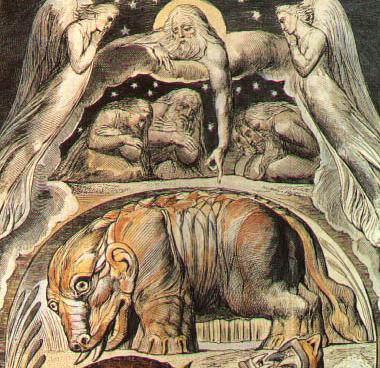
The Bible, a sacred text revered by millions around the world, is filled with numerous stories and passages that feature various creatures and beings that could be considered “monsters.” These entities often appear in symbolic, allegorical, and metaphorical contexts, carrying deep theological and moral implications. In this exploration of biblical monsters, we will examine some of the most notable and intriguing examples found within the pages of the Old and New Testaments.

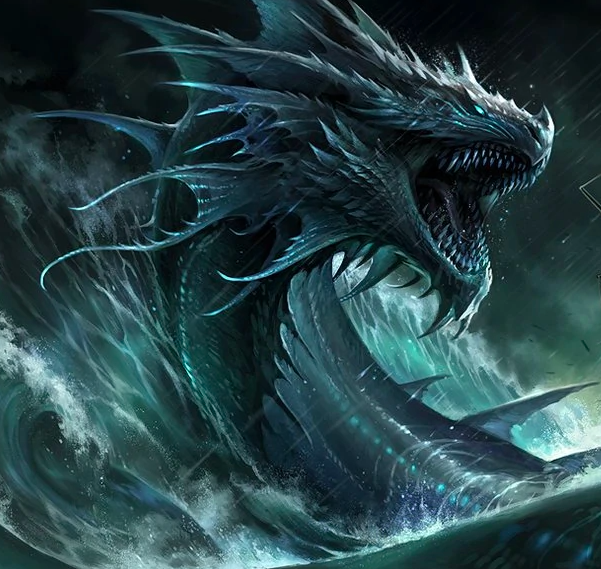
1. Leviathan:
One of the most prominent biblical monsters is Leviathan, a sea serpent or dragon-like creature mentioned multiple times in different parts of the Bible. In the Book of Job, Leviathan is portrayed as a massive, untamable, and fearsome creature (Job 41). The description of its strength, scales, and fiery breath evokes awe and terror, symbolizing the chaotic and uncontrollable forces of nature.
In Psalm 74 and Psalm 104, Leviathan is depicted as a symbol of God’s creative power and sovereignty over all creation. In this context, the creature represents the incomprehensible aspects of God’s design and His authority over the seas.
2. Behemoth:
Another biblical monster described in the Book of Job is Behemoth. Unlike Leviathan, Behemoth is a land creature, and its exact identity remains a matter of interpretation among scholars. Some associate it with a hippopotamus due to its description of strength and river-dwelling habits, while others connect it to a large herbivorous dinosaur or an elephant.
Behemoth serves as a contrast to Leviathan, representing the wild and untamed aspects of creation on land. Its existence highlights the vast diversity of God’s creation, showcasing both the gentle and fierce aspects of nature.
3. Serpent (Snake):
The serpent plays a significant role in the opening chapters of the Bible, particularly in the story of Adam and Eve in the Garden of Eden (Genesis 3). In this narrative, a crafty serpent tempts Eve to eat from the forbidden Tree of the Knowledge of Good and Evil, leading to the Fall of Man and the introduction of sin into the world.
The serpent’s role in this story is highly symbolic, representing temptation, deception, and evil. It serves as a reminder of humanity’s vulnerability to sin and the consequences of disobedience.

4. Dragons:
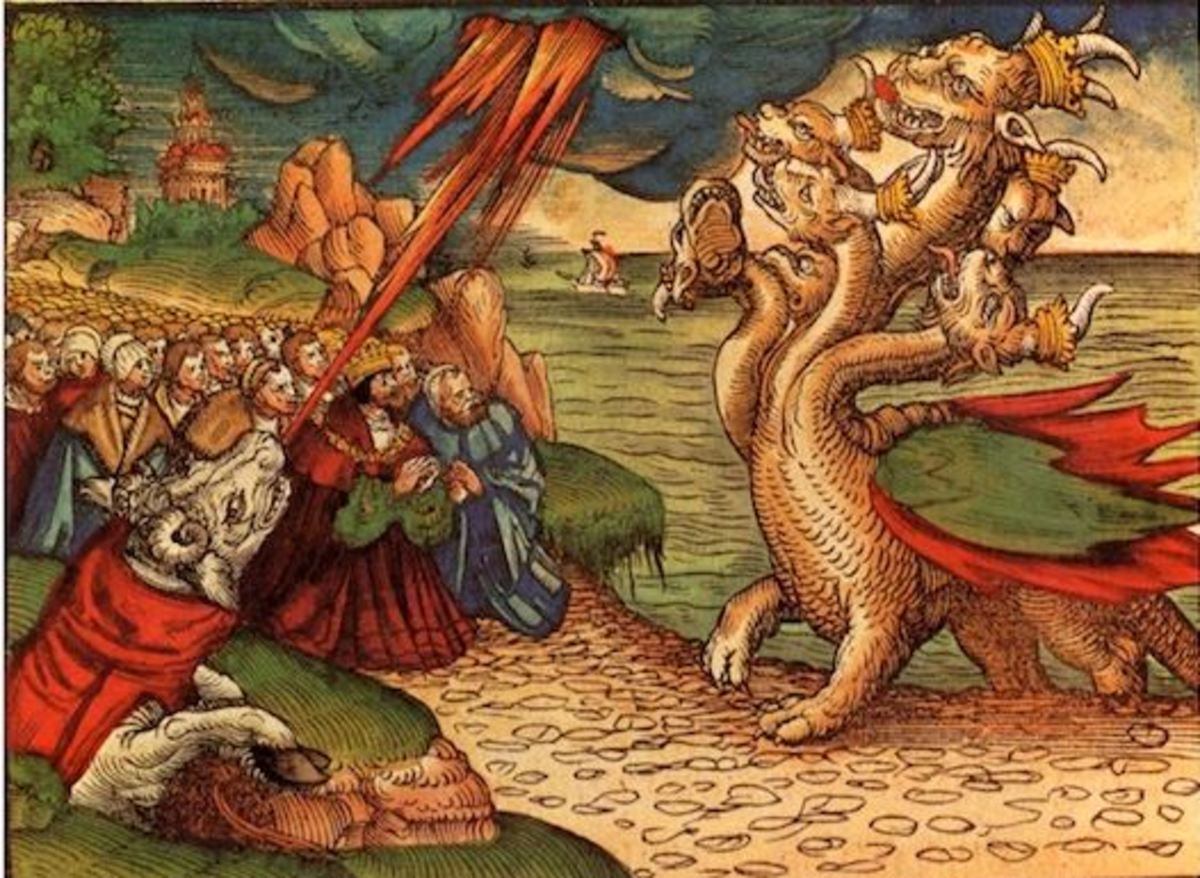
The term “dragon” is mentioned in various parts of the Bible, often in symbolic and poetic language. Dragons are sometimes associated with chaos, destruction, and evil forces. In the Book of Revelation, a dragon is described as a powerful adversary of God and is often identified with Satan (Revelation 12).
Dragons embody the struggle between good and evil, representing the ultimate battle between God’s divine plan and the forces seeking to undermine it.
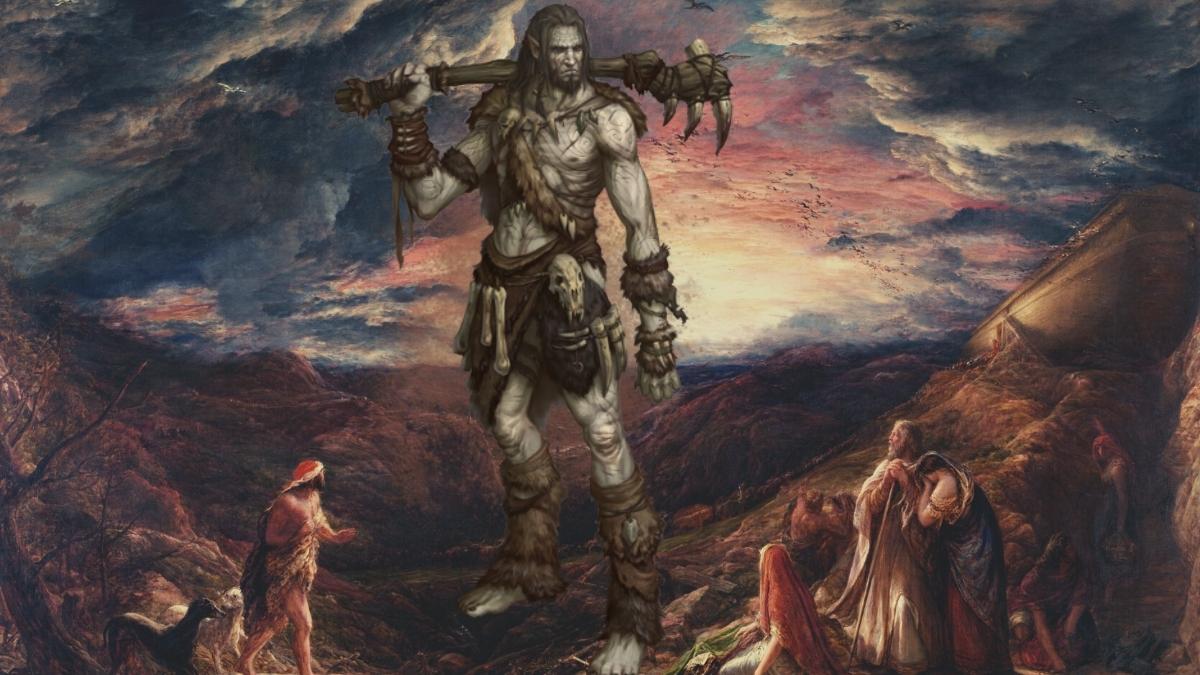
5. Nephilim:
The Nephilim are mentioned in Genesis 6:1-4, and their identity has been a subject of much speculation and debate among scholars. The passage describes the Nephilim as the offspring of the “sons of God” and the “daughters of men.” The exact nature of these beings is not entirely clear, but they are often interpreted as either fallen angels or a group of powerful and possibly oppressive individuals.
The presence of the Nephilim raises questions about the intersection of the divine and human realms and the consequences of their existence on the earth.
6. The Beast (Antichrist):
In the Book of Revelation, the Beast is a significant figure associated with the end times and the final battle between good and evil. The Beast is often linked with the Antichrist, a malevolent figure who opposes Christ and deceives humanity (Revelation 13).
The Beast’s appearance and actions are laden with symbolism, and various interpretations exist regarding its identity and significance. In general, the Beast represents the embodiment of evil, rebellion against God, and the forces that seek to destroy the righteous.
7. Abaddon/Apollyon:
In the Book of Revelation, Abaddon (Apollyon in Greek) is described as the “angel of the bottomless pit” or the “Destroyer” (Revelation 9:11). Abaddon represents a destructive force that brings judgment and chaos upon the earth.
As with many biblical monsters, Abaddon’s role is symbolic, representing the consequences of sin and the eventual judgment of evildoers.
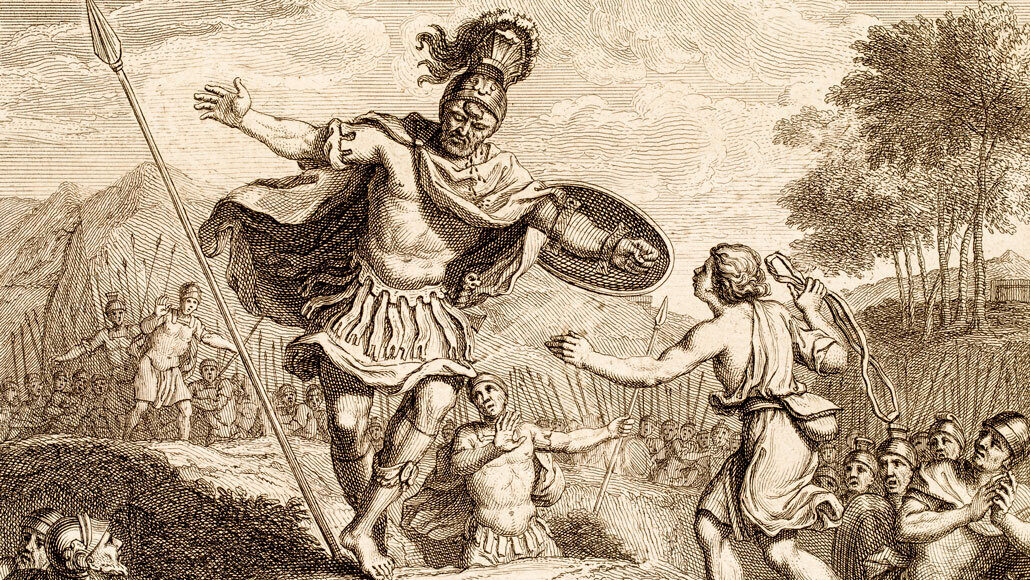
8. Giants:
The Bible contains references to giants, often described as large and powerful beings. One of the most well-known stories involving giants is the encounter between David and Goliath (1 Samuel 17). Goliath, a Philistine giant, challenged the Israelites, and David, armed with faith and a sling, defeated him, signifying the triumph of the righteous over the powerful.
Giants symbolize the opposition faced by the faithful and the importance of courage and faith in overcoming adversity.
Throughout the Bible, these monsters and mythical creatures serve various purposes, such as representing cosmic forces, personifying evil, and demonstrating the struggle between good and evil. They carry deep theological and moral messages, encouraging readers to reflect on the nature of God, humanity, and the world.
As with any biblical interpretation, the understanding of these monsters can vary among different religious traditions and individuals. The symbolic and metaphorical language used in the Bible invites contemplation and personal reflection, making it a timeless and enduring source of wisdom and spiritual guidance for millions of believers worldwide.





Leave A Comment