
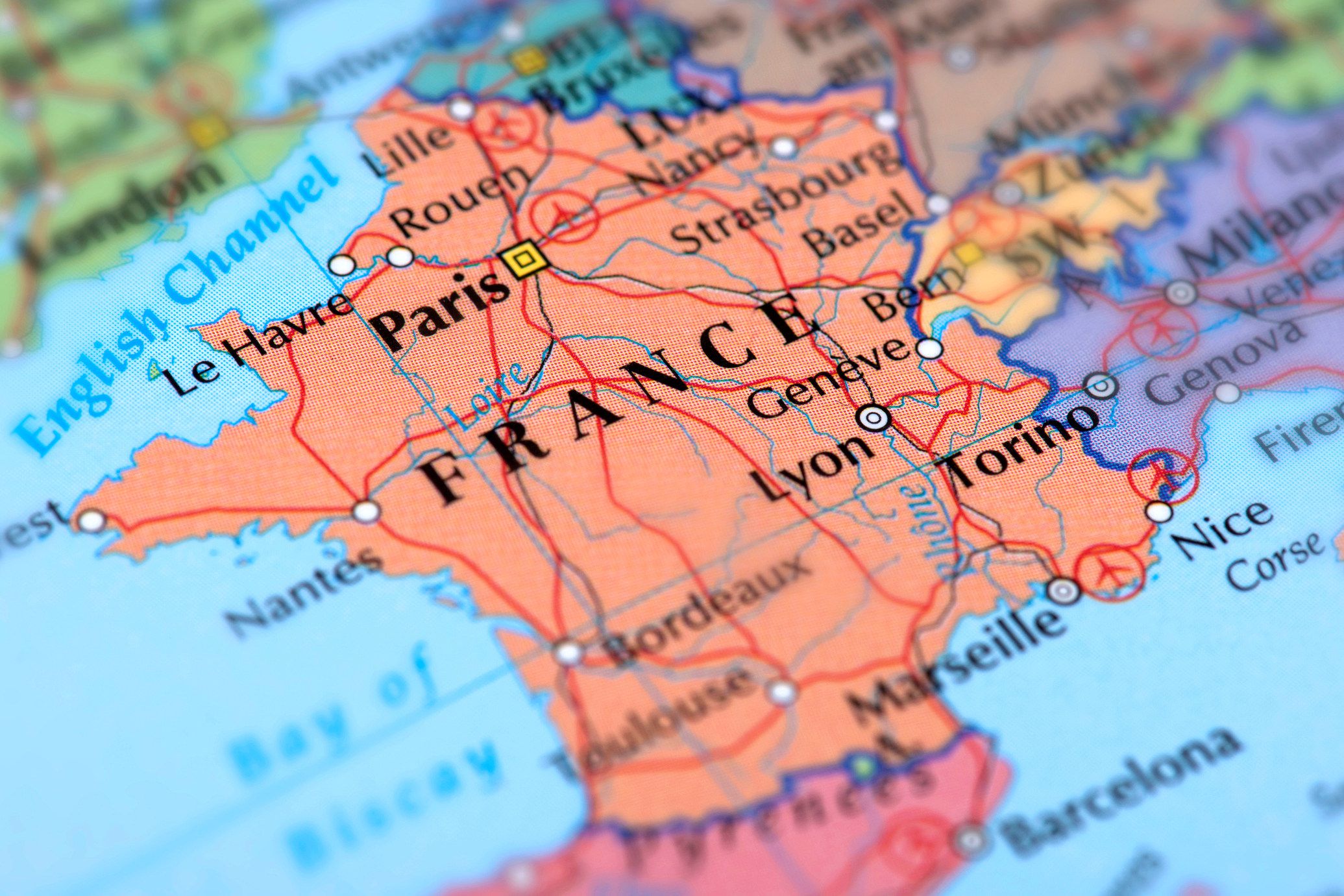
Metal detecting is a popular hobby that has gained immense traction worldwide. Enthusiasts from various backgrounds are drawn to this activity due to its thrilling nature and the potential to uncover historical artifacts and valuable treasures. In the beautiful country of France, metal detecting offers an exceptional opportunity to explore a rich history dating back thousands of years. This comprehensive essay delves into the world of metal detecting in France, discussing its history, legal framework, popular destinations, significant finds, cultural impact, and the importance of responsible metal detecting for preserving the nation’s heritage.e
Metal detecting as a recreational pursuit dates back to the 1940s and 1950s when the technology became more accessible to the public. In France, the hobby saw a surge in popularity during the 1970s and 1980s as advancements in metal detector technology made it easier for individuals to embark on this quest to unearth historical artifacts. The French countryside, with its ancient landscapes, rural areas, and historical sites, provides a fertile ground for treasure hunters and history enthusiasts alike.
As with any country, metal detecting in France is regulated by specific laws and regulations to preserve the cultural heritage and protect archaeological sites. The most critical legislation regarding metal detecting in France is the Heritage Code (Code du Patrimoine), which categorizes historical objects into two main groups: “Trésors” (treasures) and “Trouvailles” (finds).
While treasures, which include valuable and historically significant artifacts, are subject to state ownership and compensation for the discoverer, finds are often deemed the property of the finder. However, finds may be subject to specific restrictions and must be reported to the local authorities if they are of historical significance. The legal framework aims to strike a balance between encouraging responsible metal detecting and preserving the nation’s historical heritage.
France’s vast and diverse historical landscape provides a myriad of fascinating locations for metal detecting enthusiasts to explore. From ancient Roman sites and medieval castles to World War I and II battlefields, every region of France has its own unique history and potential for exciting finds. The Loire Valley, with its countless châteaux, and the Normandy region, famous for its historic beaches and battlefields, are particularly popular destinations for metal detecting enthusiasts.
Over the years, metal detecting enthusiasts in France have made several significant discoveries that shed light on the country’s history. Notable finds include ancient coins, Celtic artifacts, Roman jewelry, medieval weaponry, and even World War-era relics. Each find contributes to a deeper understanding of the past and helps historians piece together the puzzle of France’s cultural heritage.
Metal detecting has not been without its controversies and debates, especially when it comes to its impact on archaeological sites. Detractors argue that irresponsible metal detecting can lead to the destruction of valuable historical context, and even looting of sites for profit. On the other hand, proponents highlight the hobby’s role in making history accessible to the public and contributing to local tourism and education.
The French public’s perception of metal detecting is mixed, with some viewing it as a respectful way to connect with history, while others express concern about potential damages. In recent years, efforts have been made to increase awareness of responsible metal detecting practices and the importance of reporting significant finds to authorities.
Responsible metal detecting is essential for preserving France’s rich cultural heritage. This includes respecting the laws and regulations surrounding metal detecting, seeking proper permissions before detecting on private or protected land, and reporting significant finds to local authorities. Additionally, adhering to the principles of “leave no trace” ensures that historical sites remain intact and undisturbed for future generations to explore and enjoy.
Furthermore, collaboration between metal detecting communities, archaeologists, and historians can lead to fruitful partnerships that enrich our understanding of history without compromising its preservation.
Metal detecting in France provides a captivating opportunity to connect with the past and contribute to historical knowledge. As enthusiasts explore the nation’s diverse landscapes, they must remember the importance of responsible metal detecting to preserve the cultural heritage for generations to come. Through adherence to legal guidelines, respect for historical sites, and collaboration with the broader community, metal detecting can continue to be a fascinating and educational pursuit that enhances our understanding of France’s history.







Leave A Comment