
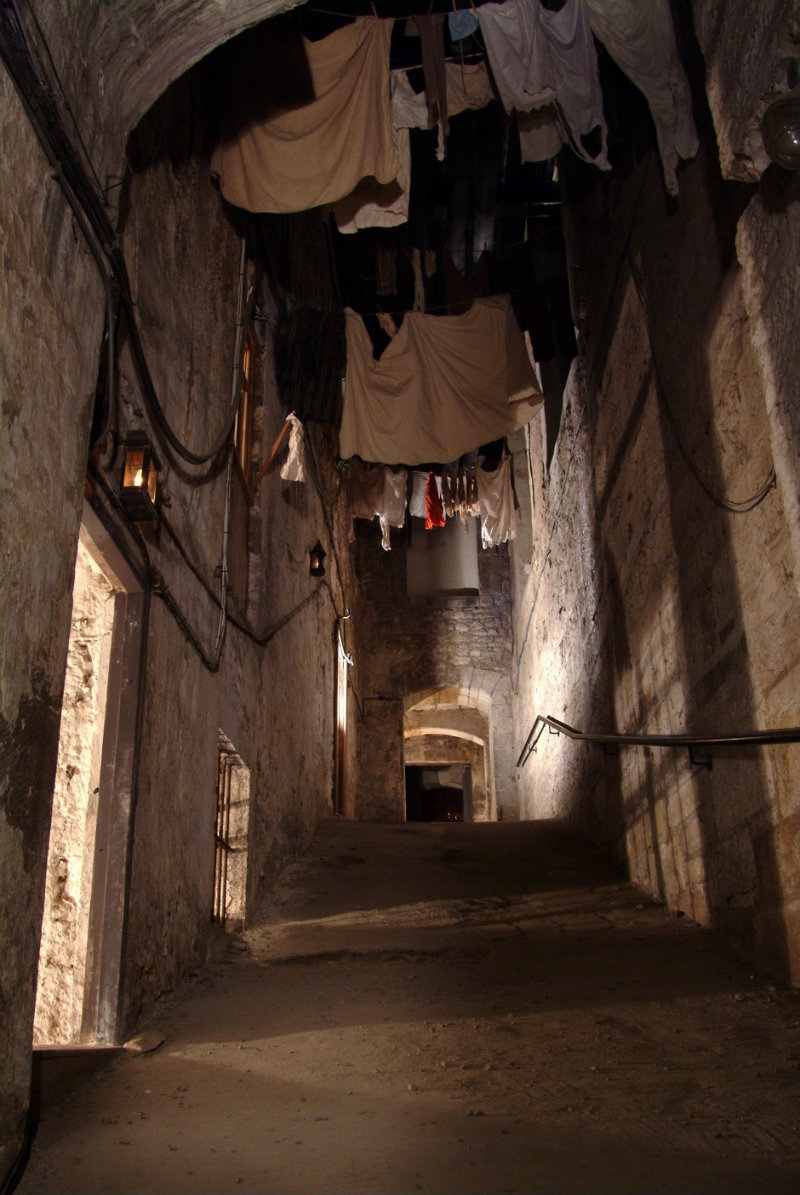
Having visited and fallen in love with Edinburgh numerous times, I have been lucky to visit many places, that used to be unknown, before tourism began taking them in.
I was awestruck with Mary Queens Close and completely agog at the history and silence of the vaults.
I decided to pen a brief guide about the underground structures, tunnels, and vaults that exist beneath the city’s surface.
Edinburgh has a fascinating and extensive underground world that has historical, architectural, and cultural significance. Some key features of subterranean Edinburgh include: 
1. Vaults and Chambers: In the 18th and 19th centuries, as Edinburgh’s population grew rapidly, there was a need for more space. To accommodate businesses and workshops, the construction of arches and vaults was common. The South Bridge Vaults and the Cowgate are notable areas with such underground spaces. Initially intended as legitimate businesses, some of these vaults were later used for illicit activities or as living quarters for the city’s poor.
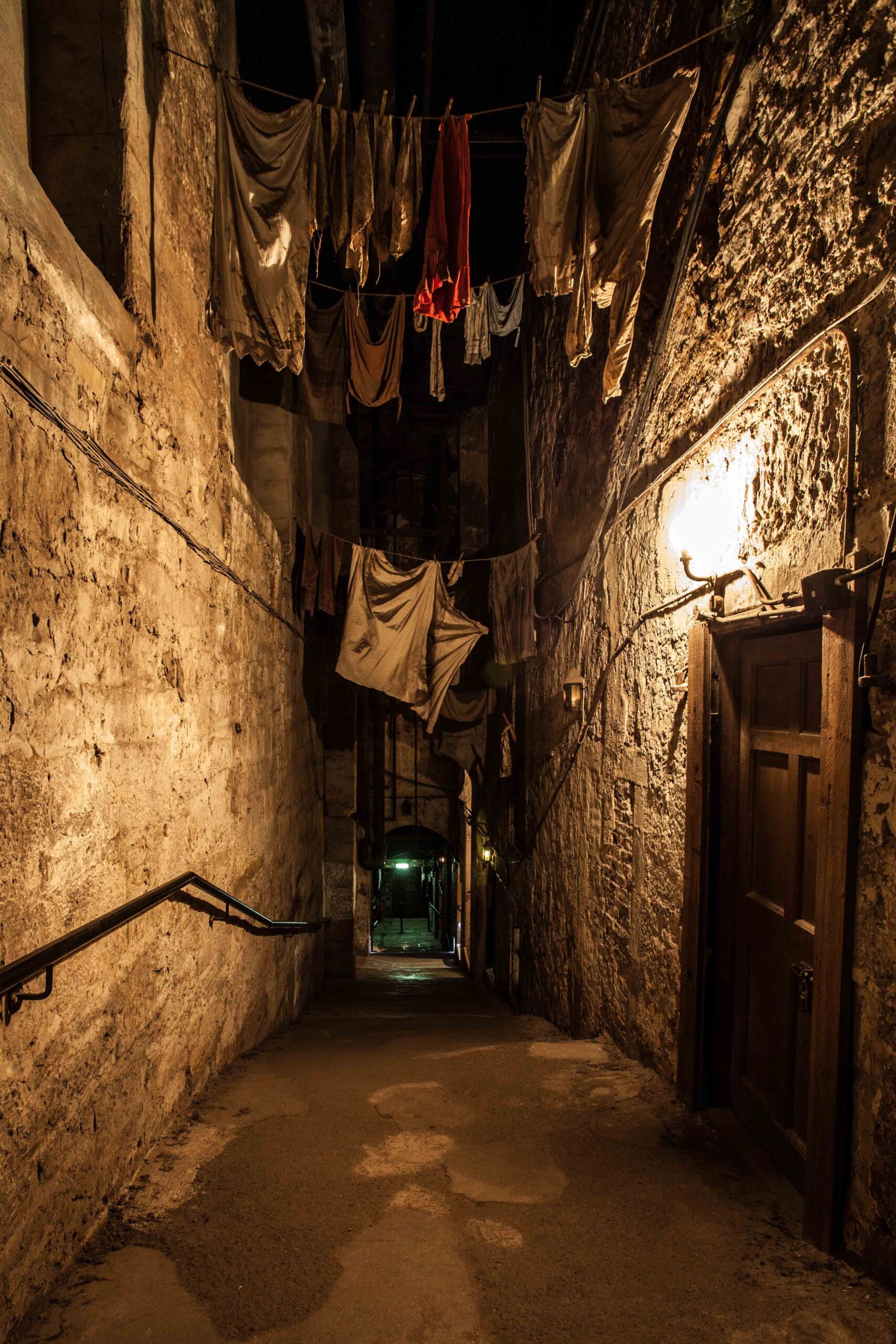
2. Mary King’s Close: This is one of the most famous underground streets in Edinburgh. Mary King’s Close is a series of narrow, interconnected streets and spaces that were once at street level. Over time, the city was built up, and these closes were covered and forgotten. Today, visitors can take guided tours to explore the preserved underground area and learn about its history.
3. Nor Loch: The Nor Loch was a large body of water that surrounded Edinburgh Castle and the Old Town. It was drained in the 19th century to make way for the Princes Street Gardens. Though not entirely underground, the draining of the Nor Loch is an important part of the city’s history and altered the landscape significantly.
4. Underground Vaults and Tours: Several companies offer guided tours of Edinburgh’s underground areas. These tours provide visitors with insights into the city’s past, its hidden stories, and the unique architecture of the underground spaces. Some tours may explore haunted tales and ghost stories associated with the subterranean areas.
5. Underground Rivers and Streams: Edinburgh has several subterranean waterways that flow beneath the city. Though many of them are now culverted or enclosed in tunnels, they once played a crucial role in the city’s water supply and drainage system.
It’s worth noting that some of the underground spaces are not open to the general public, as they may be unstable or inaccessible. Access to certain areas is limited to guided tours organized by authorized companies for safety reasons and to preserve the historical sites. If you’re interested in exploring subterranean Edinburgh, consider joining one of these guided tours to experience the hidden wonders of the city’s underground history.








Leave A Comment