
Around 20 years ago, I was a regular weekly guest on BBC Radio Merseyside in the North West of the UK. As part of the shows topic, we received many calls and emails that could be described as peculiar.
One gentleman contacted the show, and 2 of my colleagues visited as his tale was one that I personally had never heard. He spoke about Theresa Higginson and his wife and his continued lobbying for her sainthood.
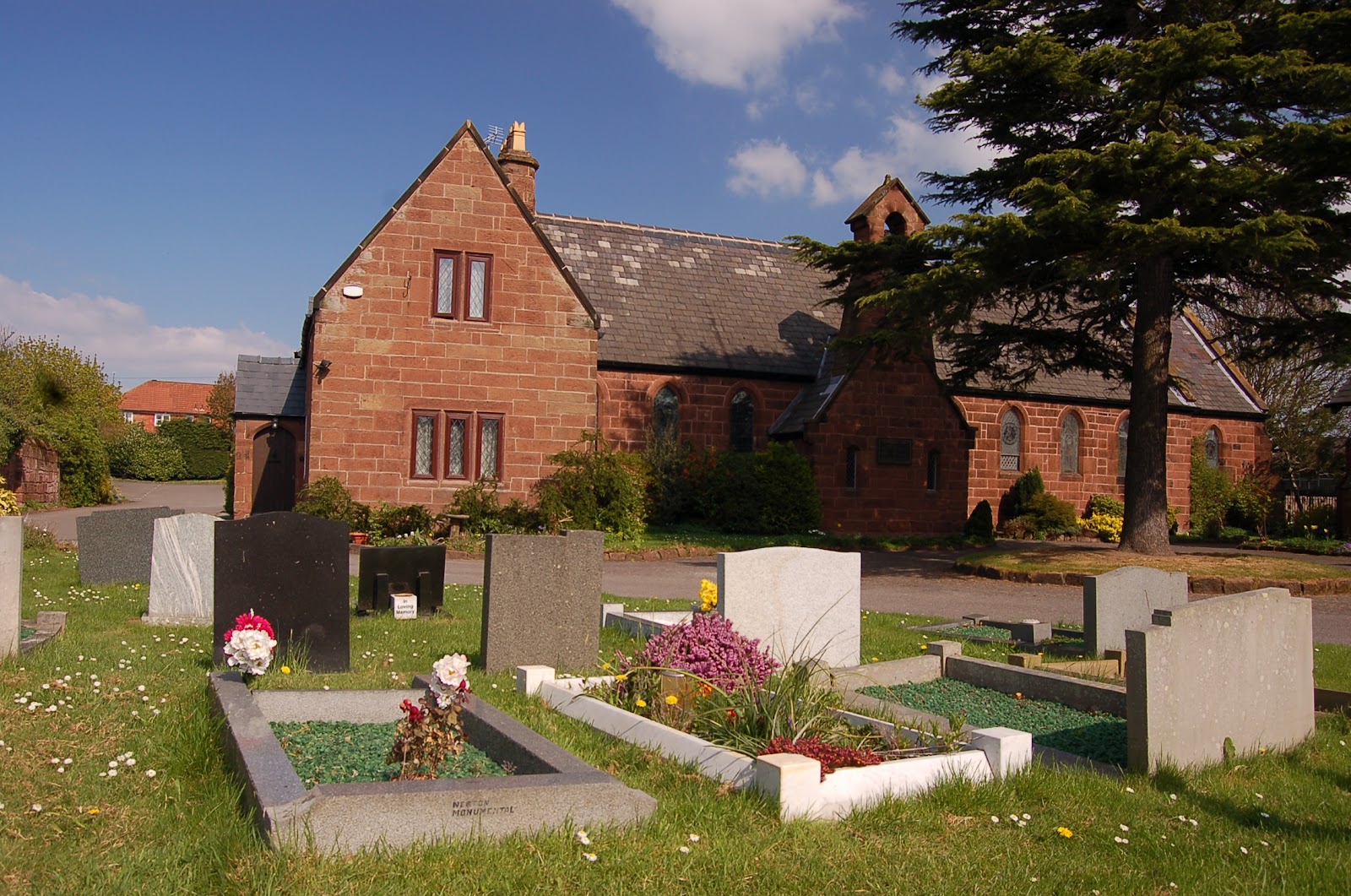
I am from the Wirral, I knew the area very well as my brother was a milkman, I used to assist him throughout the area and in particular Neston. Little did I know, a church I passed on a daily basis, held a world renowned pilgrimage site of this little know woman.
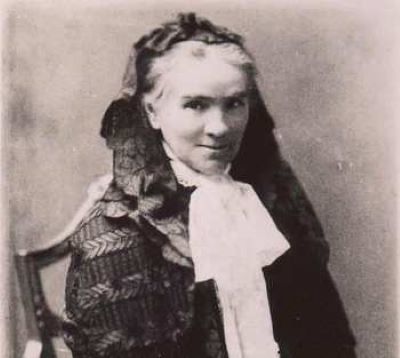
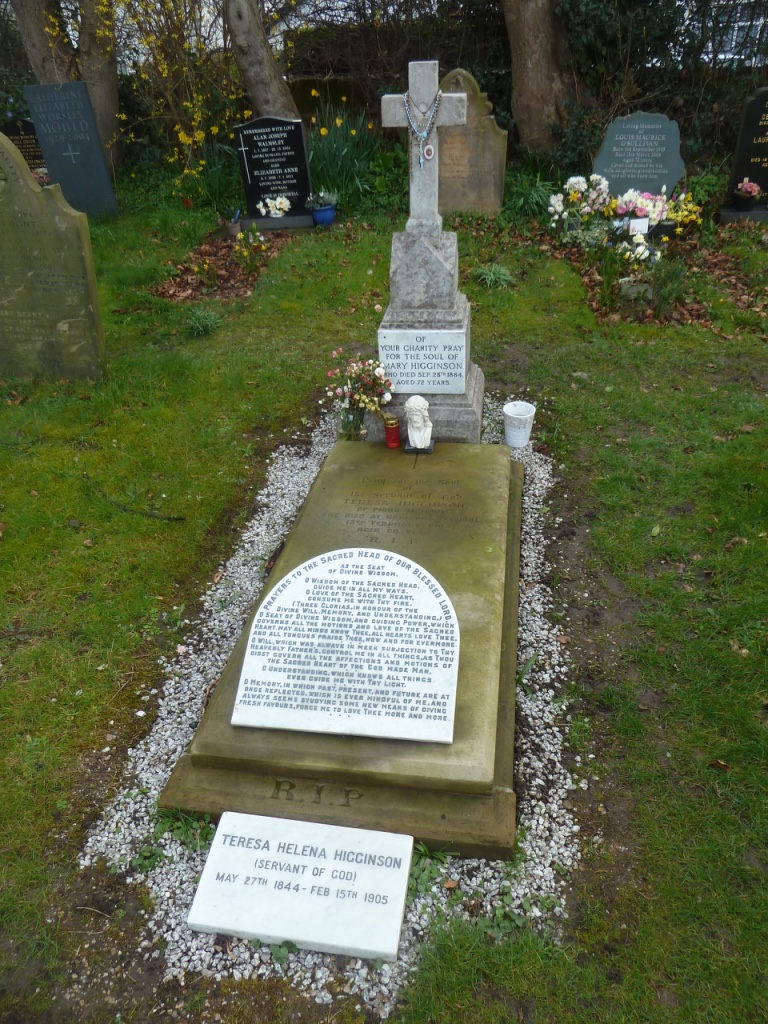
St. Teresa Higginson, also known as Saint Teresa of the Sacred Heart of Jesus, was a Roman Catholic mystic and stigmatist who lived in England during the 19th and early 20th centuries. She was born on May 27, 1844, in Holywell, England, and died on September 15, 1905, in the convent of the Poor Clares in Woodchester, Gloucestershire.
Teresa Higginson was a devout and religiously inclined person from a young age. At the age of fifteen, she claimed to have experienced her first mystical vision of Christ. Throughout her life, she reported receiving messages and visions from Jesus, the Virgin Mary, and various saints. Her experiences of the “Sacred Humanity” of Christ were central to her mystical encounters.
Teresa’s life was not without challenges and opposition. Her mystical experiences and stigmata drew both admiration and skepticism from different quarters. Some religious authorities supported her, while others were more critical. Nevertheless, she remained steadfast in her faith and devotion.
In 1884, Teresa Higginson became a member of the Third Order of St. Francis and later became a lay associate of the Poor Clares. During her lifetime, she wrote letters and spiritual writings that reflected her mystical experiences and deep spirituality.
After her death, the devotion to St. Teresa of the Sacred Heart of Jesus continued to grow among some Catholics. In 1913, her cause for beatification was introduced, and in 1937, she was declared Venerable by the Catholic Church. Though she has not been canonised as of September 2021, her life and spiritual legacy have left an impact on many believers and followers.

Would love to see her complete set of letters published. Her autobiography by L!ady Cecil Kerr only has a selection