

New Orleans, Louisiana, often referred to as the “Big Easy,” is a city renowned for its rich cultural heritage, vibrant music scene, and delicious cuisine. One aspect of New Orleans culture that captivates visitors and locals alike is its deep-rooted association with voodoo. Voodoo, also known as Vodou or Vodun, is a religion and spiritual practice that has profoundly influenced the city’s history, folklore, and way of life. In this article, we will explore the origins, beliefs, rituals, and significance of voodoo in New Orleans, shedding light on the enigmatic and fascinating world that exists beyond the popular misconceptions.
Origins of Voodoo in New Orleans.
The roots of voodoo in New Orleans can be traced back to the transatlantic slave trade when African slaves brought their spiritual beliefs from West and Central Africa to the shores of Louisiana. These ancestral traditions blended with elements of Catholicism and indigenous beliefs, giving birth to what is commonly known as New Orleans Voodoo. The complex syncretism between African, European, and Native American cultures resulted in a unique voodoo tradition that has flourished in the city for centuries.
Beliefs and Practices
Voodoo is a complex spiritual system that encompasses a diverse range of beliefs and practices. At its core, voodoo acknowledges the existence of a supreme being, but places great emphasis on the veneration of ancestors and spirits known as loas. Practitioners of voodoo believe that these spirits can influence the lives of humans and provide guidance, protection, and healing.
One of the most well-known aspects of voodoo is its association with magic and spellcasting. Voodoo rituals often involve the use of charms, amulets, herbs, and potions to invoke desired outcomes. However, it is essential to dispel the common misconceptions surrounding voodoo as malicious or dark magic. Voodoo practitioners generally use magic for positive purposes, such as healing, love, prosperity, and spiritual growth.
Voodoo in New Orleans Society
Voodoo has deeply permeated the fabric of New Orleans society, intertwining with various cultural expressions and traditions. Many voodoo rituals and ceremonies take place in private homes or in public spaces known as “houmforts,” where practitioners come together to worship, seek guidance, and honor their ancestors. These gatherings often feature vibrant music, rhythmic dances, and the playing of traditional instruments such as drums and rattles.
One of the most prominent figures associated with voodoo in New Orleans is Marie Laveau, known as the “Voodoo Queen.” Marie Laveau was a free woman of color who gained immense respect and influence as a voodoo practitioner in the 19th century. Her grave at St. Louis Cemetery No. 1 has become a pilgrimage site for believers, who leave offerings and seek her intercession.
Tourism and Commercialization
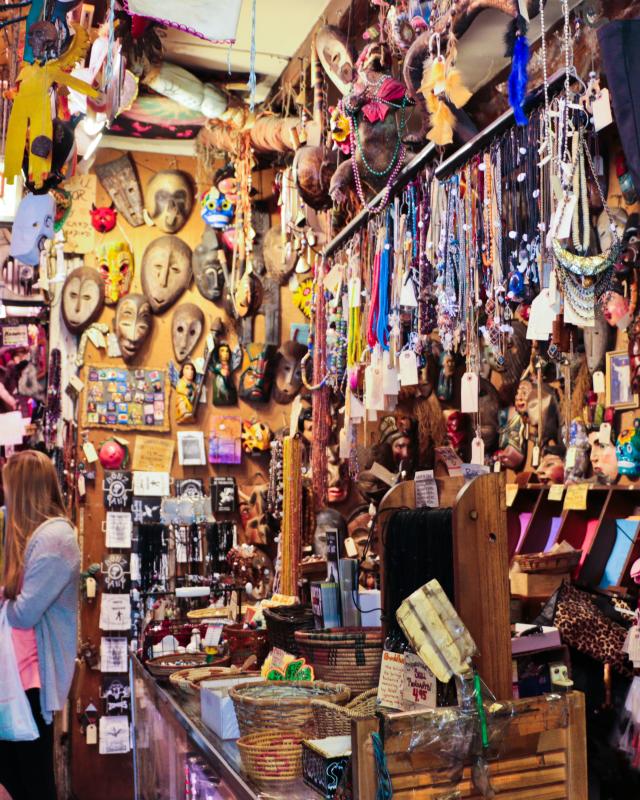
The allure of voodoo has not escaped the attention of tourists visiting New Orleans. Voodoo-themed shops, walking tours, and cultural events cater to the curiosity and fascination surrounding the practice. While these ventures contribute to the local economy, there is a delicate balance between preserving the authenticity of voodoo and preventing its commercialization for mere entertainment purposes.
Voodoo in New Orleans is a complex and multifaceted cultural phenomenon that has shaped the city’s identity. Its origins rooted in African traditions, combined with the influences of European and Native American cultures, have given rise to a vibrant and unique spiritual practice. Despite its association with mystery and misconceptions, voodoo serves as a powerful source of spirituality, community, and cultural heritage for many New Orleanians.
Exploring the world of voodoo in New Orleans provides an opportunity to deepen our understanding of this ancient spiritual tradition and appreciate the cultural diversity that makes the city so distinctive. By embracing voodoo with respect and open-mindedness, visitors and locals alike can gain a greater appreciation for the profound influence it has had on New Orleans’ past, present, and future.

Leave A Comment