
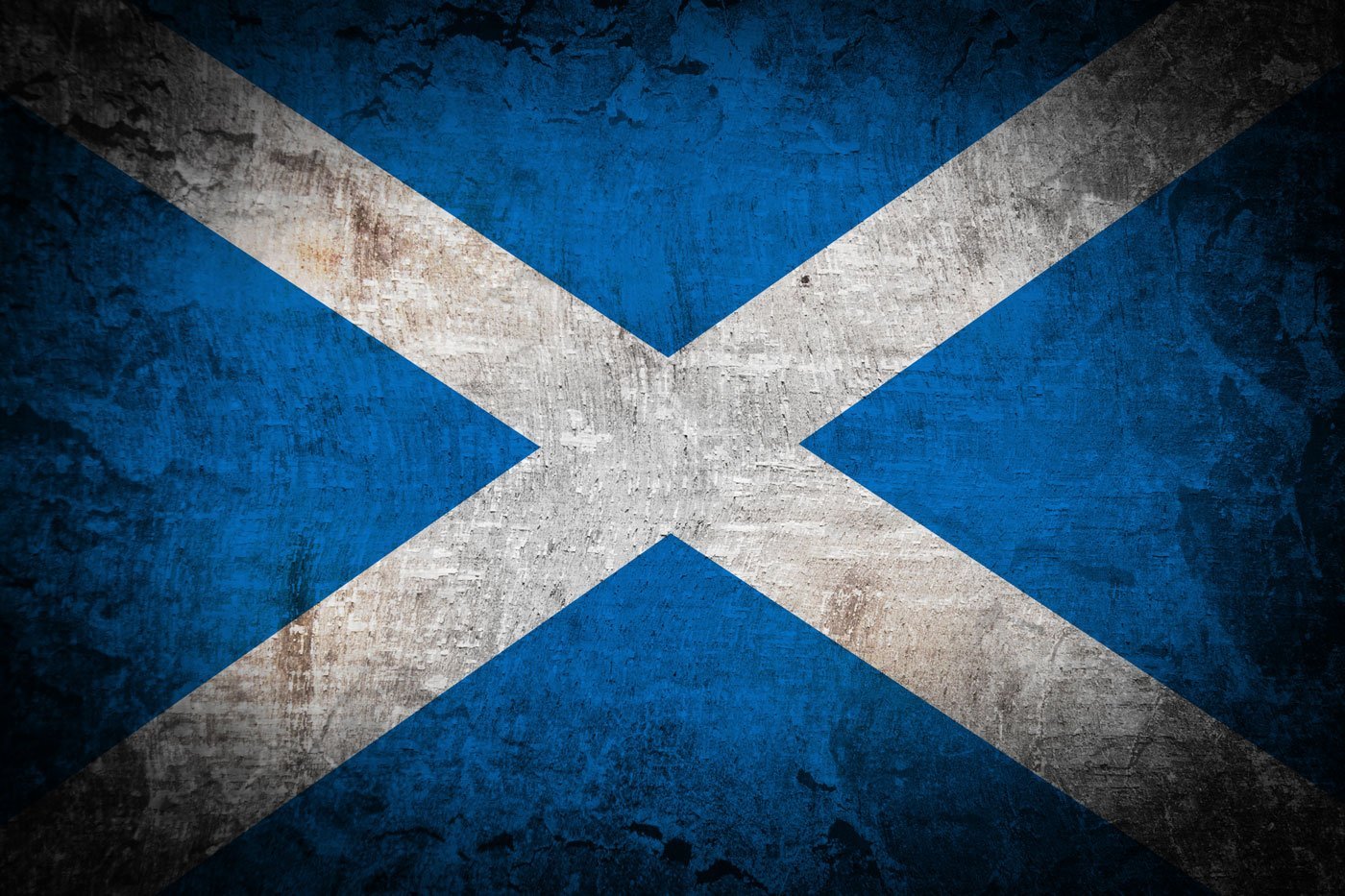
November 30 is St Andrew’s Day, and is Scotland’s official national day, as well as being a national holiday in Romania. It is also a bank holiday in Scotland.
St Andrew’s Day is commemorated as a celebration of Scottish culture and traditions, in particular, food and music. One traditional food is cullen skink – a type of fish soup. Lamb is also a popular food during St Andrew’s Day celebrations.
It is also seen as marking the start of a season of Scottish winter festivals which include St Andrew’s Day, Hogmanay and Burns Night. In some places, such as the town of St Andrews and other Scottish cities, there are week-long celebrations. Hogmanay begins on Monday, December 30 and ends on Wednesday, January 1 2020, and commemorates the end of the year. Burns Night will this year fall on Friday, January 25, 2020 – celebrating the life of Scottish poet Robert Burns.
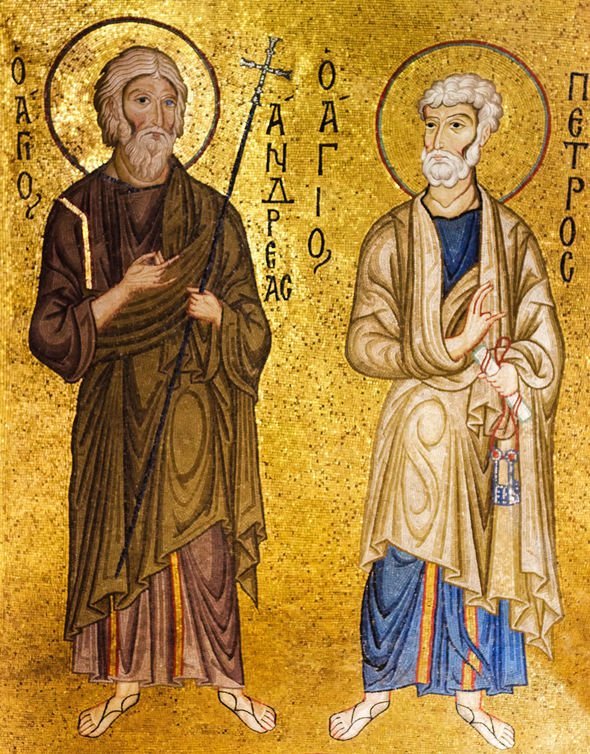
Not much is known about St Andrew, who was believed to have been born between 5AD and 10AD in what is now modern-day Israel. According to the bible, St Andrew became one of Jesus’ 12 disciples, who closely followed him. Andrew’s brother Simon Peter was another disciple, and they both lived in Galilee, working as fishermen. However, despite Andrew’s association with Scotland, neither he nor his brother ever travelled to Scotland during their lives.
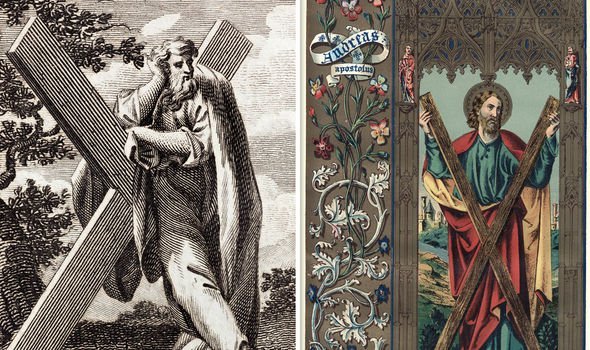
There are several stories as to how St Andrew became the patron saint of Scotland. One of these is in the ninth century, Scottish King Angus was preparing for a battle against the English. St Andrew appeared to King Angus in a dream, saying he would be victorious. During the fight, an X symbol appeared in the sky, which was the symbol of St Andrew. King Angus declared should he won the battle, St Andrew would become the patron saint of Scotland – which is what happened. This is why the Scottish flag has an X-shaped cross, as it is Andrew’s symbol.
Latha fèill Anndrais sona dhuibh



Leave A Comment